- 8 years ago
-

Photo courtesy the curator
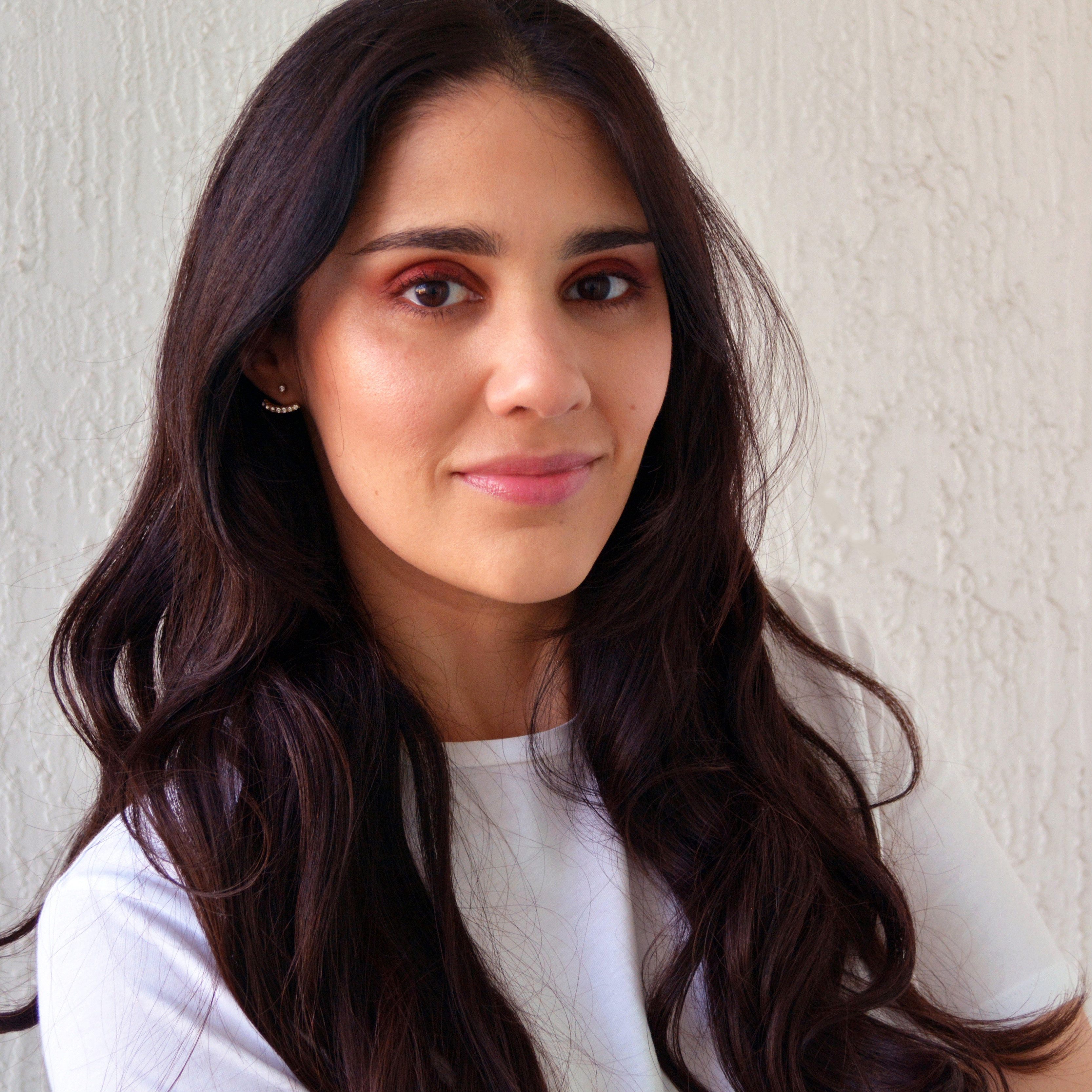
Milly Cardoso was born and raised in Miami, Florida and is the Director and Curator for the University of Miami Gallery in the Wynwood Art District. Prior to joining University of Miami, she worked for the Miami Art Museum (Pérez Art Museum, Miami) and the Mitchell Wolfson, Jr. Private Collection.
Milly is currently organizing an all-female group exhibition titled ” Yes, I’m a Witch” to be presented at FATVillage Projects on September 24 – October 28, 2018, strongly supporting the works of local artists residing in South Florida.
I decided to chat with Milly about America’s obsession with the topic, what or who determines a witch and the ” mass hysteria” ( of sorts) we still face today.
Interview with Milly Cardoso:
BB: From my understanding, it’s been stated, you title the exhibitions you curate after songs? Why is that?
MC: Not for every exhibition, but yes, I’m very inspired by music. Lyrics inspire me. I hear a great lyric and think “that would make a fantastic exhibition.” I like every genre; I feel sorry for people who only listen to one form of music. They don’t know what they’re missing.
BB: What song, in particular, has most personally affected an exhibition? How so?
It’s difficult to pick a favorite, but it would have to be Clang, Boom, Steam. It’s an exhibition I curated in 2013 with male artists that focused on the state of masculinity in contemporary art. Clang, Boom, Steam is a song by Tom Waits. It’s only 52 seconds long, but it delivers so much testosterone in 52 seconds. I love Tom Waits; the guys were enamored with the song as well.
BB: Are the songs you adopt linked with an underlying meaning? For example, you have a future exhibition titled “Yes, I’m a Witch,” by Yoko Ono, is this correct?
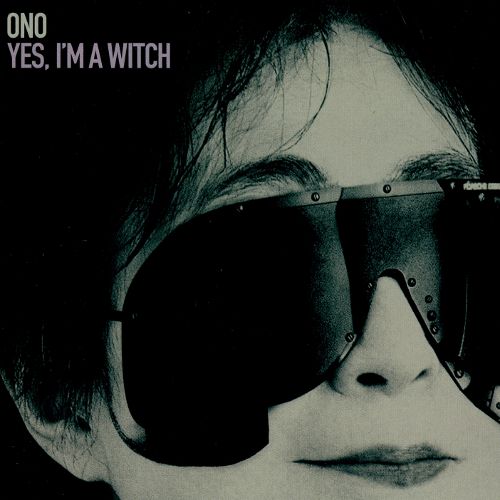
MC: Yes, that’s correct. I’ve been working on this exhibition for over a year, and it will open to the public this September. The exhibition is titled after Yoko Ono’s 1974 song, “Yes, I’m a Witch.” There’s a verse in the song, “Yes, I’m a witch, I’m a bitch. I don’t care what you say. My voice is real, my voice is truth. I don’t fit in your ways”.

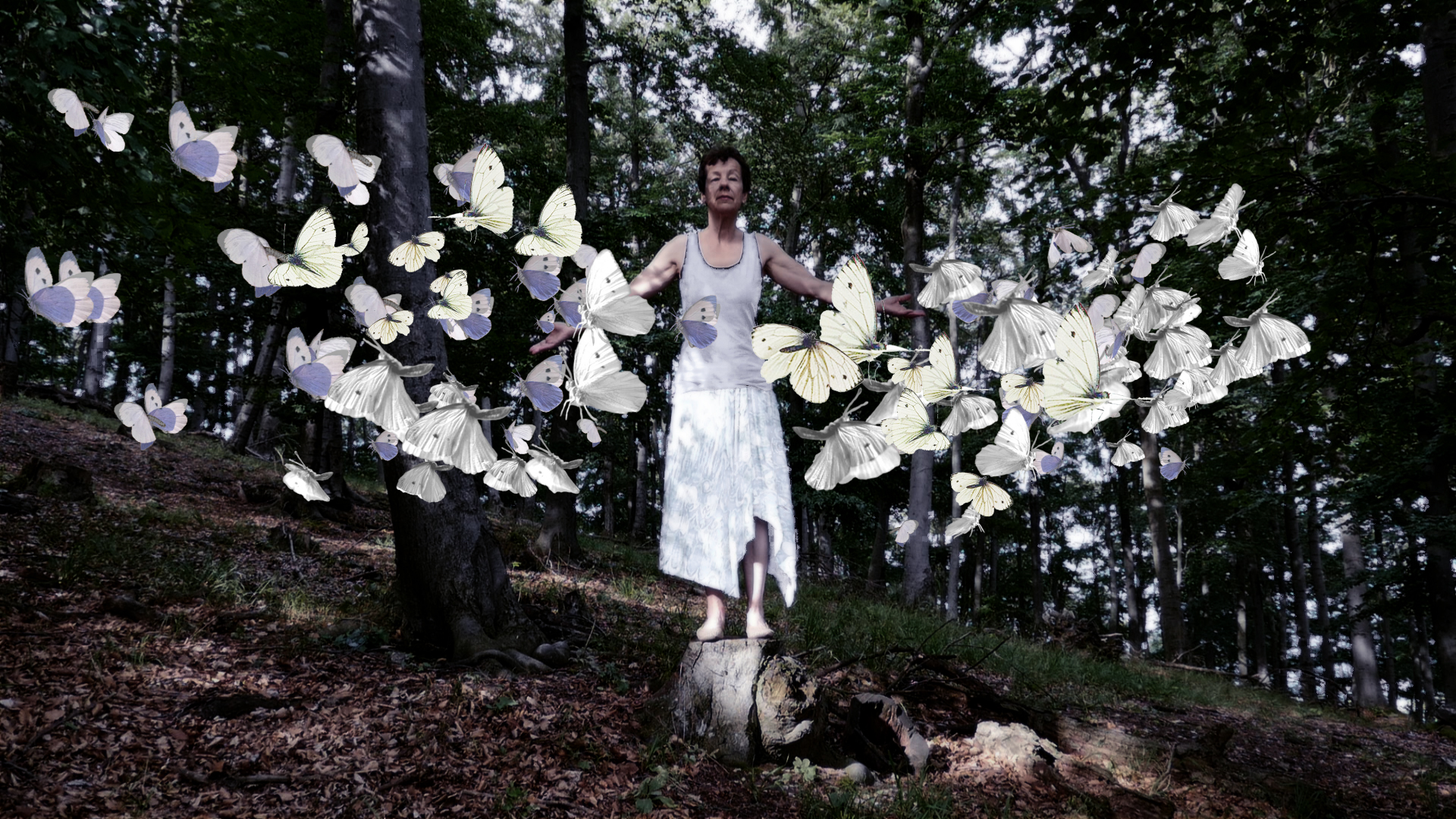
Julia Oldham, Forestmaker, 2018 video and animation, 1 minute
The exhibition explores feminism, the witch trials, and the mysticism surrounding witches. There’s always been a desire to punish strong women. Exuding feminine strength wasn’t acceptable then and it’s still a problem now. I think the 2016 election is a great example of that. I remember when I was 15 I saw an interview with Sharon Stone. She said, “If you have a vagina and a point of view, that’s very threatening.” Her words really stuck with me, and I don’t think at the time I really understood what it meant, I know now.

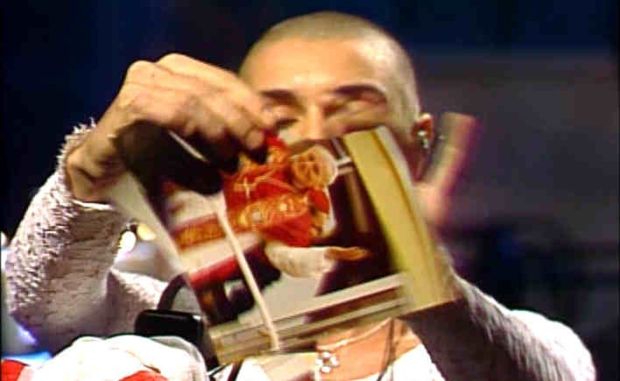
Photo: Sinead O’Connor on Saturday Night Live
I’m inspired by women like Joan of Arc, Cleopatra, Anne Boleyn to Hilary Clinton, Maxine Waters, Catherine Scalia, Yoko Ono and many more. I want this show to be an ode to the strong woman who goes against societal norms. The woman that owns her power and sexuality and challenges the patriarchy.
BB: Does the song reflect the continuing issues happening today, such as Harvey Weinstein sexual allegations claims and the #Metoo movement (where millions of women joined in protest) rather, chimed in their own personal stories when Alyssa Milano erupted social media with the #Metoo hashtag?
MC: Yes, I’m a Witch came out in 1974 before the movement, but Yoko Ono was championing women way before then. I think the Me Too movement still has a long way to go. However, I strongly support any movement that encourages women to speak up. I think the song is an affirmation, it’s about owning the word. The word ‘witch’ is not a bad word, however, it’s used to silence and ridicule women.
A perfect example is Sinéad O’Connor, who tore a photograph of Pope John Paul II on Saturday Night Live. She’s an artist I respect very much, and I love her music. Her career was ruined for speaking out against the Catholic Church. Turns out she was right. There was a problem then, and there’s a problem now. Everyone turned against her, made fun of her, and the church did whatever it could to silence her, even accusing her of black magic. She’s overdue an apology, a big one at that.
 BB: Not many people were aware that Ms. Tarana Burke, an African- American woman initiated the Me Too movement back in 2007, after a dreadful conversation with a 13-year-old girl who had been sexually abused. It wasn’t until 10 years after Ms. Burke founded Just Be Inc., a non- profit to help victims of sexual abuse and assault. Thankfully the New York Times reported the story to the public which brought attention to Ms. Burke’s endeavor and realized the lack of support from white female feminists. It wasn’t until Milano’s social media comment that women began to support other women in statements about sexual misconduct.
In the exhibition ” Yes, I am witch”, are you examining the topic through the lens of the artist’s perspective? Will there be works exemplifying all types of women ostracized through historical accounts and contemporary issues? Are you also investigating how women “witch” each other out?
MC: The decades of good work Tarana Burke has done for the Me Too movement is unsurpassed. We also can’t overlook the fact that Alyssa Milano is a celebrity with a bigger following that helped contribute to the movement. I think Tarana Burke and Alyssa Milano are working towards the same goal. All women have struggled to be part of the conversation and it’s easy to see how women are negatively regarded in our society. Case in point, “Grab ’em by the pussy.” And no, I will never stop referencing that because it happened, we have a president asserting that women should be treated as objects. It was disheartening to see how many women still voted for him.
The artists whom all originate from different backgrounds and interests will be working in a variety of media. Some artists will share their take on the folklore surrounding witches, while others focus on the issues women face today.
BB: The example of Ms. Burke is to emphasize how white women support one another and how it seems their voices carry substance and credibility while the non- white communities are not given validation. Don’t you think this is another form of a witch hunt?
MC: Unfortunately, it’s an unjust society. Every white person benefits from white privilege, it doesn’t mean they don’t face their own struggles. I think we need to take advantage of white privilege and use it to fight the system that unfairly created it.
BB: Through history and cultural research, we learned that many cultures believed in the mystic, practiced rituals, honed in on nature as medicine and looked on the cosmos for answers. It was sacred and those who performed the mystic were honored as demi-gods and superior beings. Quite a contrast to the witch hunts that took place in the New World ( early American colonies) after 1692/93. But it wasn’t just the practice that was sentenced: any type of sexual expression and/or liberation was too. Do you think that society still has this backward way of thinking (although we’d like to convince ourselves we have progressed through time)?![103.the feeder[1]](data:image/svg+xml,%3Csvg%20xmlns='http://www.w3.org/2000/svg'%20viewBox='0%200%20265%20358'%3E%3C/svg%3E)
Marina Font The Feeder, 2014 Archival pigment prints on canvas
MC: Anything we don’t understand is immediately categorized as evil. If somebody sees a spider on a wall, the first urge is to kill it. If it’s intimidating and doesn’t fit the norm, we want to destroy it or ban it. In Yes, I’m a Witch a few of the artists will explore rituals along with other women’s issues, like menstruation. Which to this day it’s still dismissed and ridiculed as disgusting.
BB: There was an article written in Forbes magazine where the author Margie Warrell discusses why women need to “stop talking themselves down” and actually defines this as “out of power language”: which is when women excuse their actions or opinions and “use patterns of speech that keep us from showing up our brilliance, power, and presence.” The article provided examples that reminded me of the metaphysical concept, what one says will be, what one states will manifest or be careful of what you say. When specialists describe witches, they portray the woman as one who is able to tap into a higher state of consciousness and/or manipulate time and space hence manifesting realities. Wouldn’t you say that the “out of power of language” concept the author refers to is a bit similar to chanting, casting spells or manifestation but is explained from a psychological perspective because it is easier to communicate to a larger audience who may not believe in “mystic” speech?
MC: That might be some people’s description of a witch, but is that reality? Do witches really manipulate time and space to manifest reality? I don’t think so, but I do believe in the power of language. Calling a woman a witch isn’t too different from calling her a whore. It’s a way of shaming women to “behave” and discourages other women from following in their footsteps. I think the best way to support all women is to make sure decisions like Roe V. Wade are never overturned.
BB: Isn’t it obvious that woman was labeled witch because it was easy to kill off a gender who was not afraid to use natural power ( who apparently knew how to use it from the beginning of time)?
MC: I think witches were the first true radical feminists. They weren’t deceived by patriarchal indoctrination, and it created an evil persecution of women wrongly accused of being witches. The term is still used by the patriarchy to silence and punish women. It’s also a form of censorship of women’s power and sexuality. Women who were accused of witchcraft were often shaved as a form of torture. Anything that was deemed problematic or a symbol of vanity had to be destroyed.
BB: Why did you select the group of female, Miami based artists for the exhibition ” Yes I am Witch”?
MC: I like to support local artists, and I knew the artists selected such as yourself would be passionate about the theme and create powerful work. There are thirteen artists; coincidentally, it’s the perfect number for a coven.
BB: My last question deals with contemporary society’s obsession to turn the taboo into marketable trends. What do you think about the latest witch craze? It seems now it is a trend for women to call themselves witches and sisters of the dark moon. Do you think it’s authentic?
MC: I love the freedom of expression; I don’t mind women calling themselves witches. I think different opinions is what makes our society thrive. As consumers, we need to do our own research.
” Yes, I’m a Witch” opens to the public on Saturday, September 29th 6pm to 11pm. Location: Fat Village, Fort Lauderdale (521 NW 1st Avenue), Florida.
See you there.
*Yoko Ono image courtesy of AllMusic.com

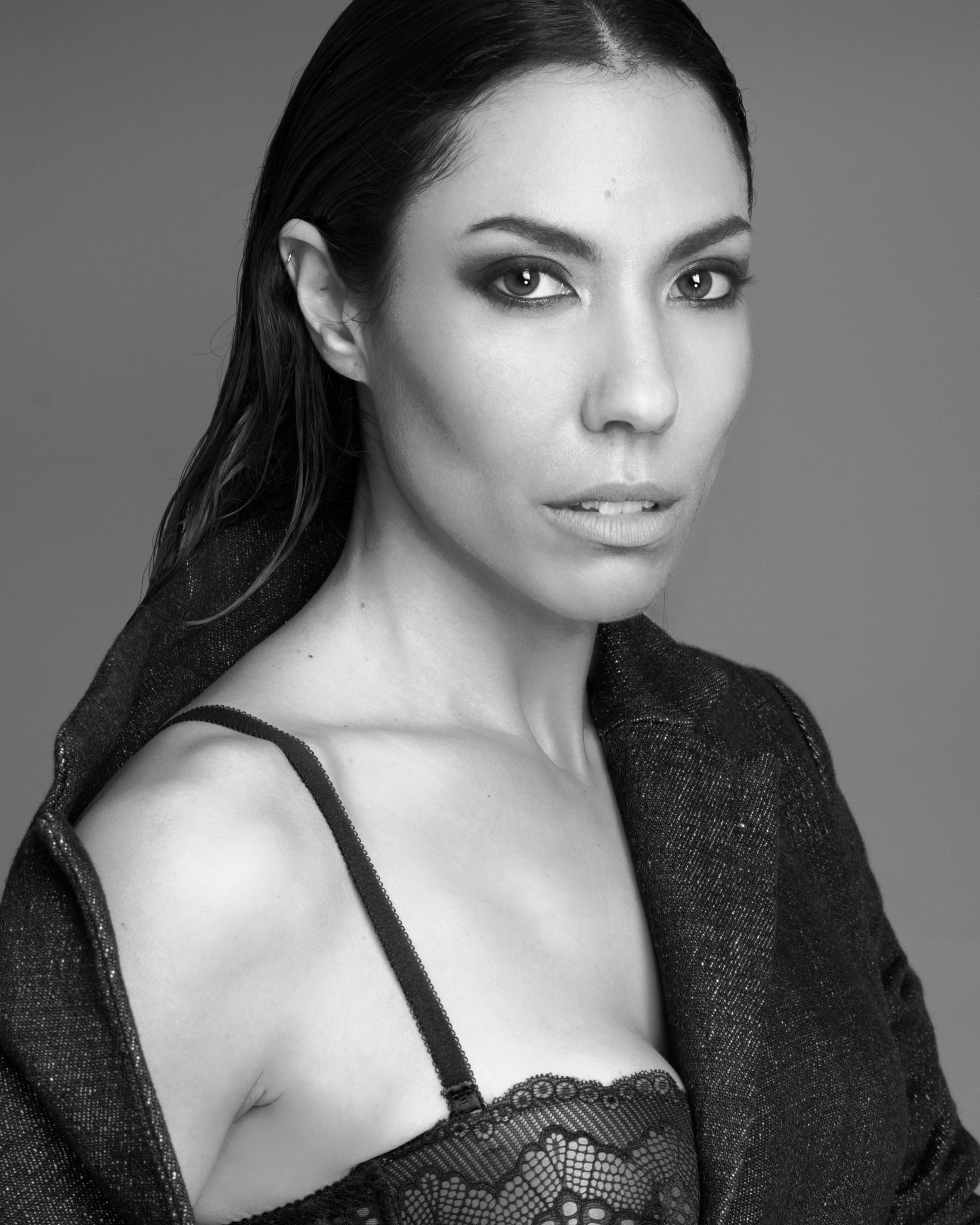
Photo by Dwayne Tucker
– Beláxis Buil
Latest News
![103.the feeder[1]](https://www.artforprogress.org/wp-content/uploads/2018/08/103.the-feeder1.jpg)
- 8 years ago
-

Courtesy of The Orchard
Jeremiah Zagar wasn’t the first filmmaker to approach novelist Justin Torres about adapting the latter’s 2011 coming-of-age tale We the Animals to screen. But the others were “too Hollywood,” according to Torres, and wanted to change his semi-autobiographical story into something else. (“Breaking Bad meets Malcolm in the Middle,” suggested one would-be suitor.) Torres was having none of it. Then Zagar contacted him. The director, a documentary maker (In a Dream, Captivated: The Trials of Pamela Smart) who’d never helmed a fiction film before, had picked up the book in McNally Jackson in Soho and couldn’t put it down. “It had one of the best first pages I’d ever read,” he says.
Torres and Zagar were discussing the making of We the Animals during a post-screening Q&A, one of several the pair have conducted while promoting the film. The project is something they’re clearly proud of and passionate about.
The book is a raw, pulsating, first-person account of three brothers and their volatile parents loving and fighting each other in an upstate New York town, as told by the youngest boy. It’s based on Torres’ own life and family, including the fact that his father is Puerto Rican and his mom of Irish-Italian descent. Though it was very different from Zagar’s own hippie-esque upbringing, he understood the “epic family mythology” of Torres’ book, the insular experience of a strong family dynamic. “We spoke the same language,” agree both writer and filmmaker. Torres was subsequently very much part of the filmmaking process, from casting (all three of the boys are first-time actors) to finding the right house for the family in the film.

Courtesy of The Orchard
Per Zagar’s desire for the film to have a “fast-paced, musical quality,” We the Animals is energetic and propulsive. The powerful and poetic film is largely faithful to Torres’ story, capturing the energy and emotion of a tightknit family under duress. (Zak Mulligan’s stylized yet naturalistic cinematography deserves much credit.)
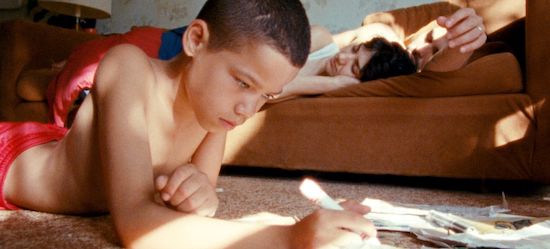
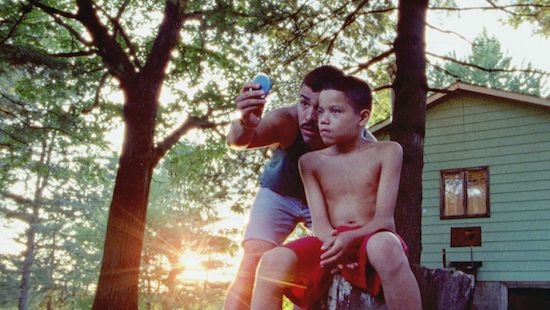
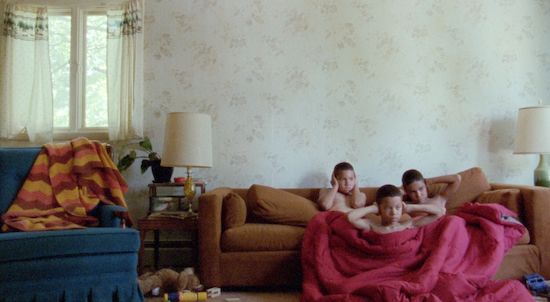
In the beginning of the film, the brothers – Manny, the oldest (Isaiah Kristian), Joel (Josiah Gabriel) and the film’s protagonist Jonah (Evan Rosado) seem like one unruly organism, running through the woods yelling, crouching under a sheet with a flashlight, chanting “body heat, body heat,” and dancing along with their young father Paps (Raúl Castillo) as he cooks and blasts music in the kitchen. But Jonah quickly stands out, waking up at night while his brothers are sleeping to crawl under the bed and draw in his journal by flashlight. His dark, scratchy drawings punctuate the film, evolving into animated sequences (courtesy of illustrator Mark Samsonovich) that express his turbulent inner emotions. Ma (Sheila Vand) acknowledges his sensitivity, coddling and reassuring him, “I’ll never let anything bad happen to you.”

Courtesy of The Orchard
We find out that Ma and Paps met when they were kids themselves and though they left Brooklyn in pursuit of a better life, their relationship and existence are fraught, equal parts physical abuse and deep affection; Paps, who sometimes drinks to excess, is especially apt to lash out. Ma’s exhausting assembly-line job in a bottling plant and his gig as a night watchman don’t quite make ends meet, exacerbating their woes. After a traumatic scene – one of several – in which Paps teaches Jonah how to swim the hard way at a nearby lake, the couple fight in the car on the way home, as the boys watch quietly. There are many closeups of their faces throughout the film: watchful, not really comprehending their parents’ battles, but joyful when the couple inevitably reconciles.
And no wonder. When Paps decides he’s had enough and leaves the family for a spell after one particularly gruesome fight, Ma can’t get herself out of bed and the boys are left to fend for themselves. Hungry, they steal food from a local store, then raid a neighboring farmer’s garden. They wind up hanging out with his grandson, Dustin, a slightly older boy who introduces the three to heavy metal and porn. This awakens scary new feelings in Jonah, who subsequently dreams of Dustin and himself underwater. Already quieter and less violent than his brothers, Jonah becomes even more alienated by his hidden feelings. “We’re never going to escape this,” says Paps at one point about the plight of his family. Eventually, however, Jonah does exactly that, after an explosive catharsis that seems a very long time coming.
We the Animals opens on Friday at at the Angelika Film Center and The Landmark at 57 West.
—Marina Zogbi
- 8 years ago
-

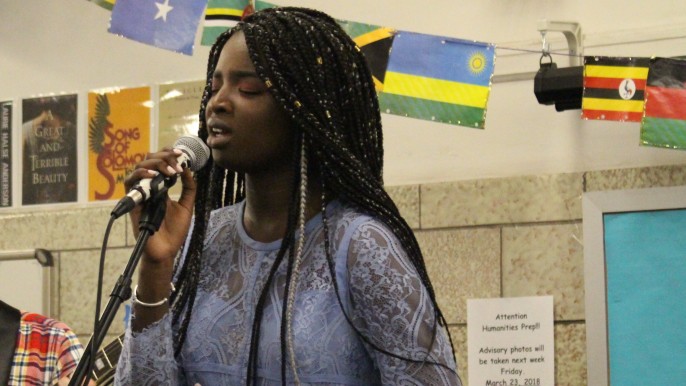
Humanities Preparatory Academy, our flagship music education program, suffered a budget cut of $130,000 this year. As a result, they have to eliminate half of the music classes AFP has been providing for the past 6 years. The school is located in Chelsea, but it’s mostly attended by students from under-served communities in Harlem and the Lower East Side. AFP’s music program is the only music program at the school. With each year, there are more students that want to take music classes than we can accommodate.
As we’ve seen time and again, music and art classes are the first to go when cuts like this happen. Our goal is to raise $10,000 to supplement the budget and fund the program for the upcoming school year. If we can raise the necessary funds, we can continue to serve as many kids as possible and maintain the vital music and arts presence that has become a signature of the school’s culture. Our mission is to provide creative arts programs for all New York City public school students. Every child should have the opportunity to learn creative skills and problem solving.
Please make a donation right now to help us fulfill our mission. We have some exciting gifts that we’re offering to exceptional contributors as an added incentive, including artwork and private music performances and lessons. Thank you in advance for your help!
Please watch this short video from AFP’s Director, Frank Jackson and Educator, Barry Komitor.
Take a look at the suggested donation levels and associated gifts and make a donation:
- $50 donation – a BIG hug and a shout out!
- $75 donation – a comp ticket to our next event!
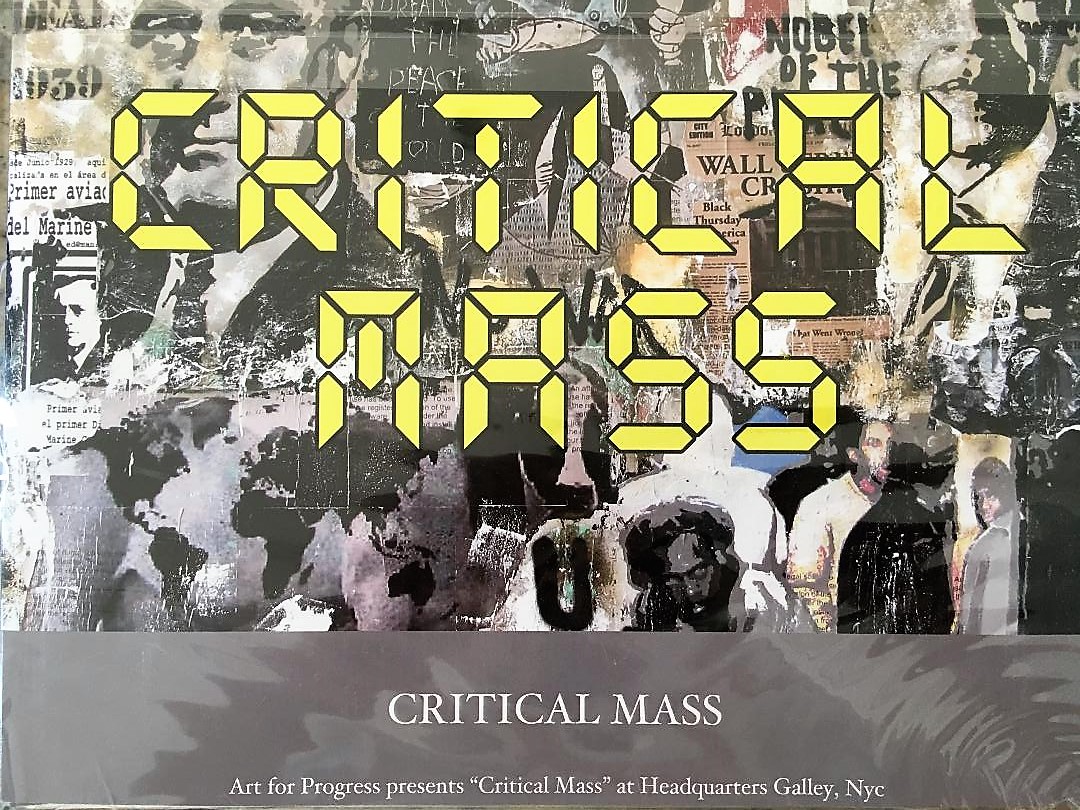
- $100 donation – a limited edition art book, “Critical Mass” (image below) 5 available
- $250 donation – Large, limited, signed prints, various artists (info, images below) 3 available
- $350 donation – Black and White one hour photo session with award winning photographer Berette Macaulay (Seattle area only, inquire for more information, admin@artforprogress.org)
- $500 donation – Original paintings, various artists, mediums (info, images below) 3 available
- $750 donation – Choice of 3 private guitar lessons (Barry Komitor) or DJ lessons (Frank Jackson) 2 of each available
- $1,000 donation – a two hour music performance, venue of your choice (local), Barry Komitor
- $1,000 donation – a two hour DJ performance, venue of your choice (local), Frank Jackson
- $2,000 donation – an original painting by artist Artem Mirolevich (info, images below)
- $2,000 donation – an original painting by artist Juan Manuel Pajares (info, images below)
-

- $100 Donation, Critical Mass, Art Book
-
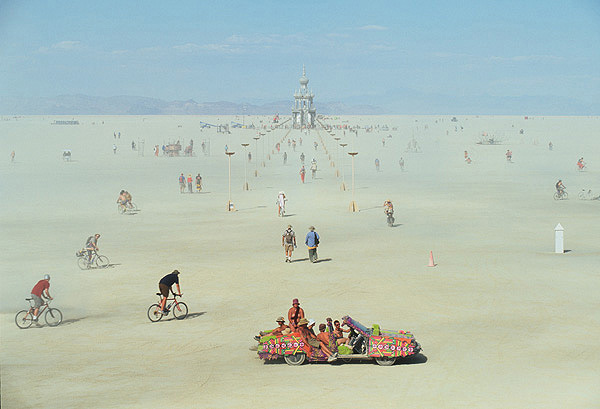
- $250 Donation, Temple of Honor Promenade, Gabe Kirchheimer, 20″ x 30″ photograph, signed archival print
-
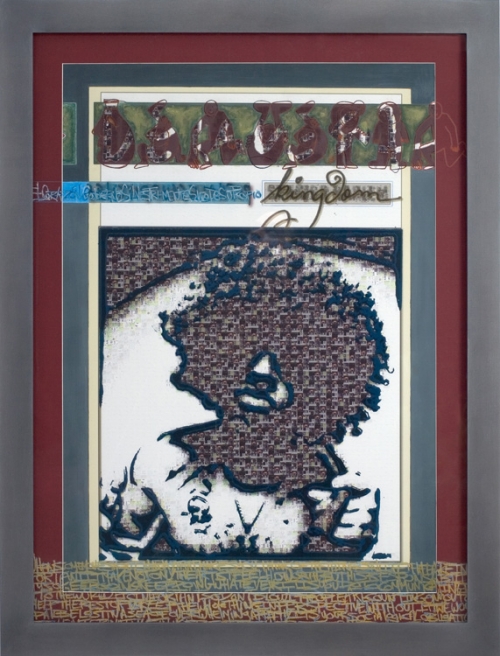
- $250 Donation, De La Vega, Martin Deegan, 30″ x 20″ signed archival print,
-
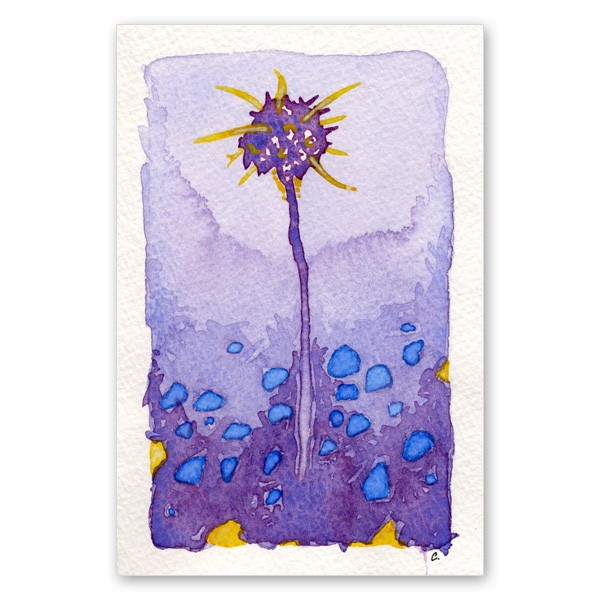
- $250 Donation, Poppy, Jason Covert, 30″ x 20″ signed archival print
-
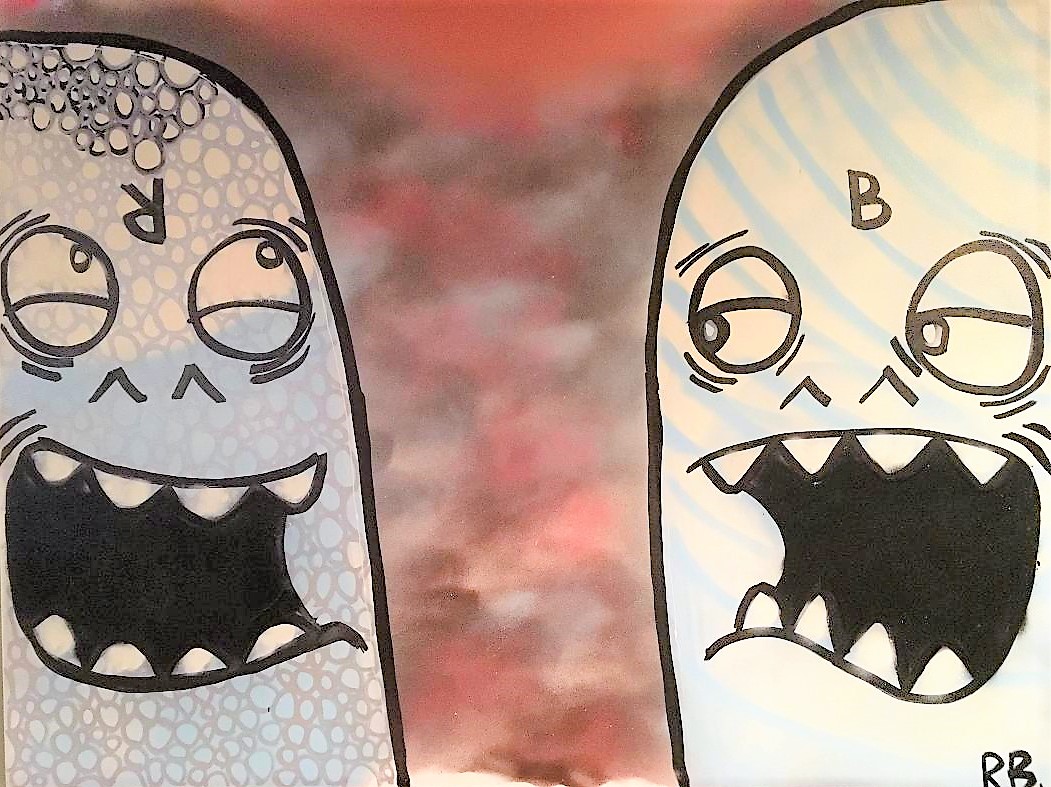
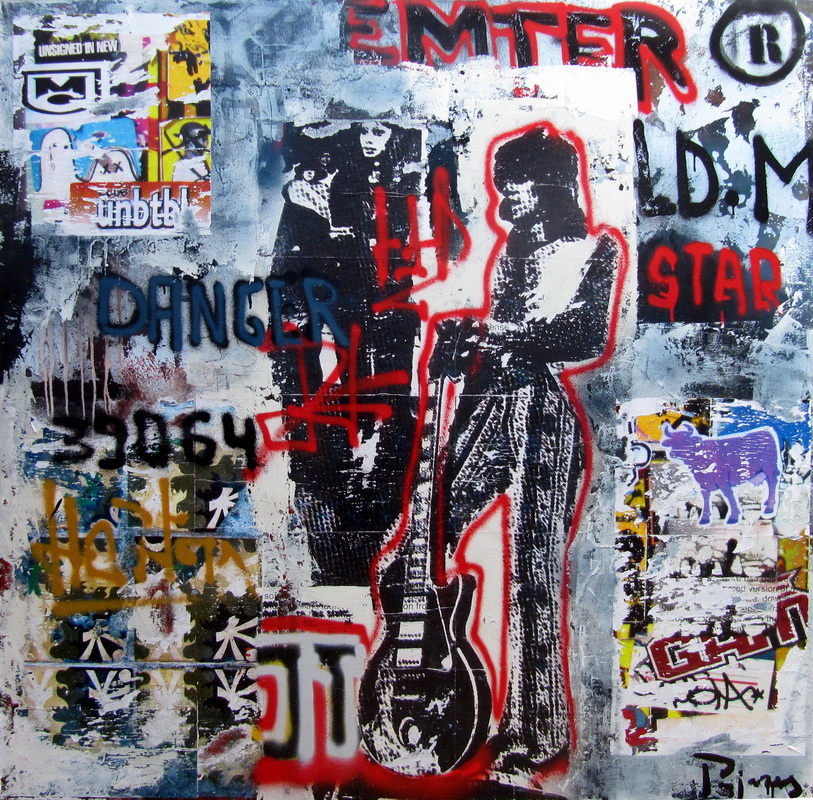
- $500 Donation, Monsters, Royce Bannon, 36″ x 47″ spray paint on canvas,
-
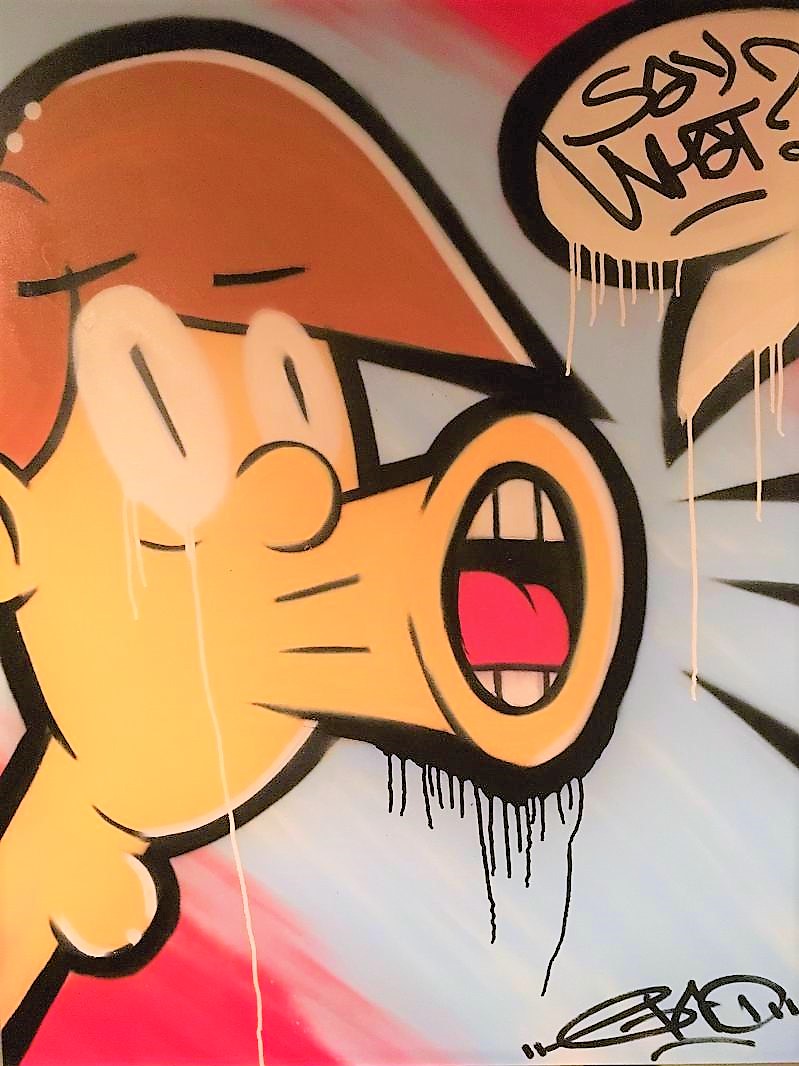
- $500 Donation, Say What, Alberto Hernandez, 47″ x 36″ spray paint on canvas
-
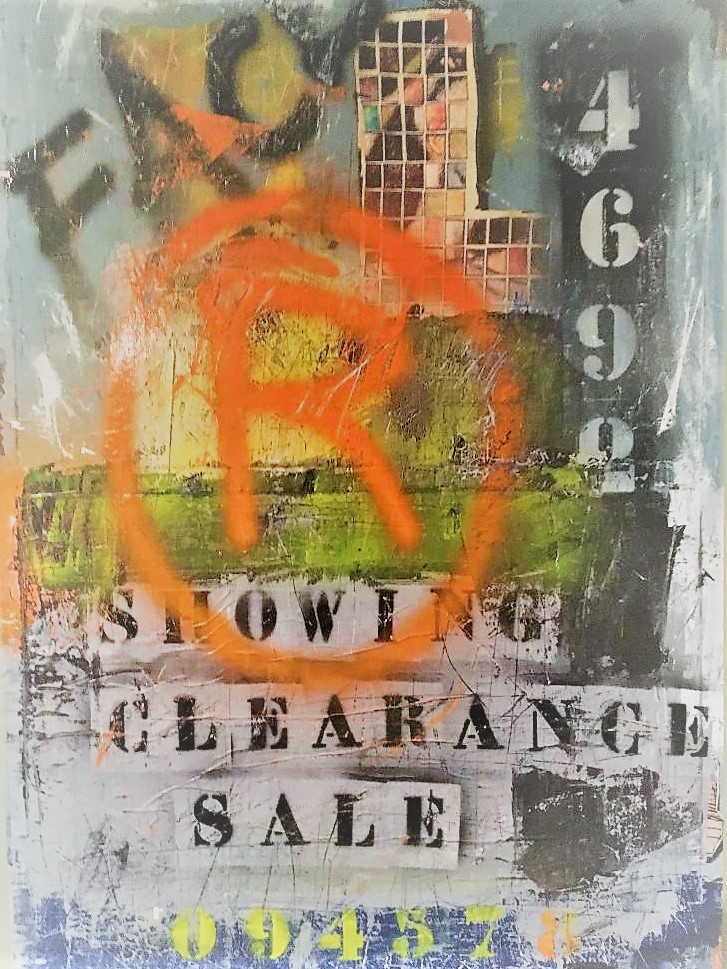
- $500 Donation, Now Showing, Juan Pajares, 47″ x 31″mixed media on canvas
-
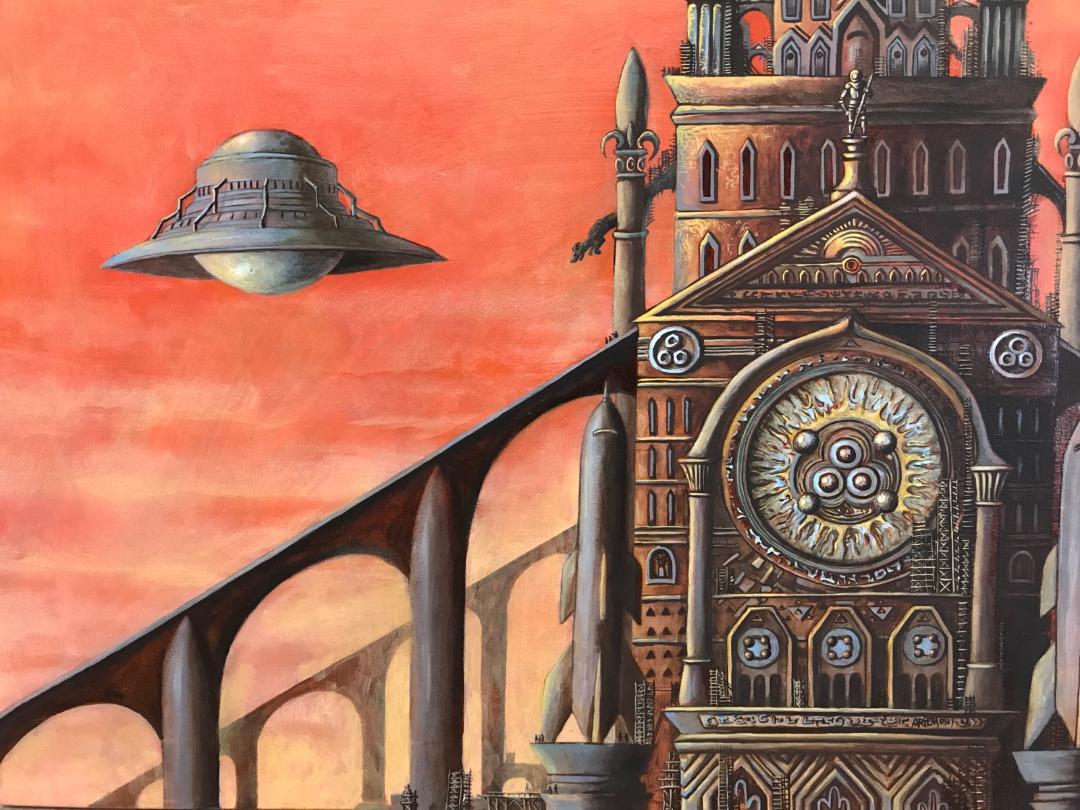
- $2,000 Donation, The UFO, Artem Mirolevich, 24″ x 36″ oil on canvas
-
- $2,000 Donation, Ziggy, Juan Manuel Pajares, 4′ x 4′ mixed media on canvas
- 8 years ago
-

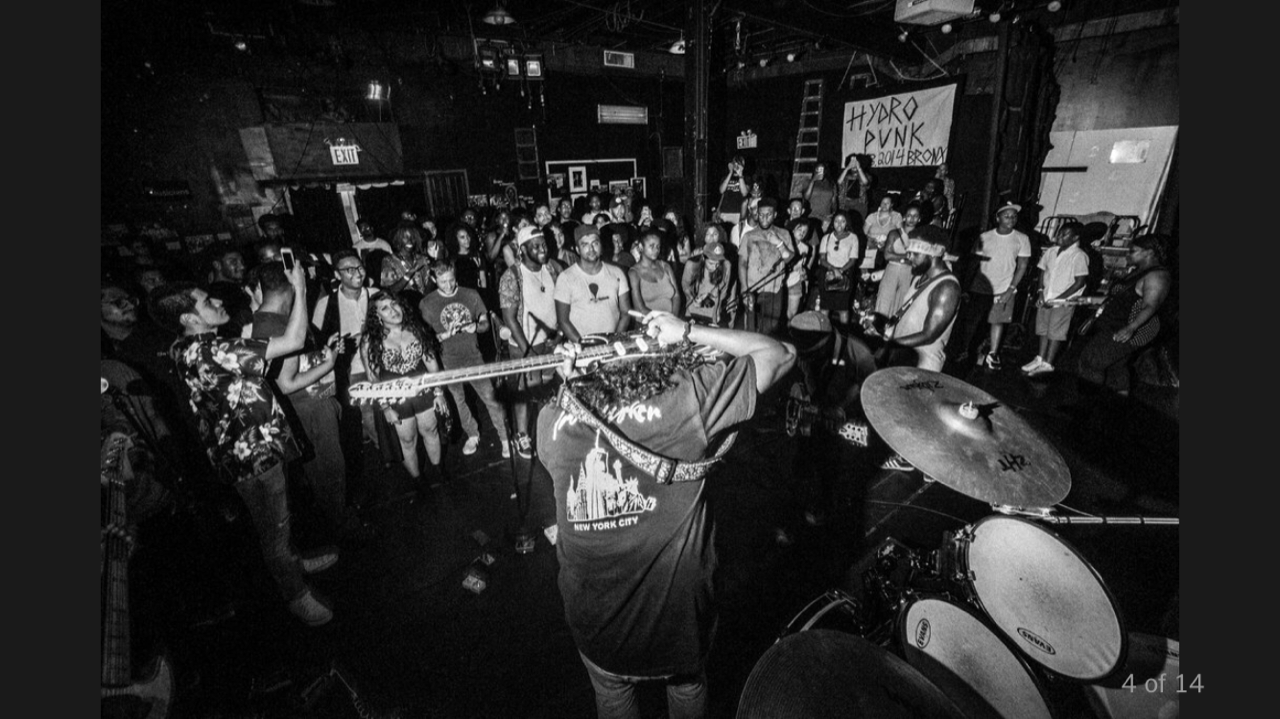
Statik Vsion album releaase at The Point, Hunts Point, Bronx courtesy of The New York Times
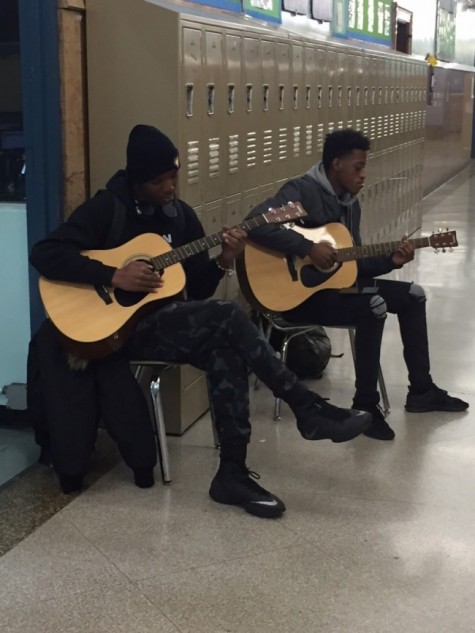
So many exciting things have been going on in the world of Art for Progress’ Arts and Music Education Program. We have been helping young people throughout the city to cultivate their artistic expression and proudly watching that effort bear fruit. Our continuing school and after school programs provide opportunities for students to learn skills and form friendships and alliances while our community efforts give those students and others real life experience through performing, showing work, and recording music. We are honored to have received two grants this spring, as well, which will help our ongoing mission to make sure arts stay in public schools despite consistent budget cuts.
This has been a landmark year for Art for Progress’ Arts and Music Education Programs. Our music programs at Humanities Preparatory Academy, The James Baldwin School, and Hudson High School for Learning Technologies have been developing astonishing talent; and our visual arts programs at Forsyth Satellite Academy and Essex Street Academy continue to expose students to new perspectives on fine arts and design.
We’re especially proud of the work we’ve done developing the bands in the AFP Young Adult Music Enrichment and Recording Program. Statik Vision is now a staple on the NYC rmusic scene, and their album release was featured in a photo essay in the New York Times’ Lens section showcasing the Bronx punk art scene. Big Sweater and Bad Faces got to play alongside musical heavyweights Nels Cline (Wilco), Billy Martin (Medeski, Martin & Wood), Marc Ribot (TomWaits) and bassist Chris Lightcap at NYC’s famed venue, (le) Poisson Rouge for AFP’s Once In A Lifrtime concert event. The event was a huge success and helped raise money to support our school programs. We also finished mixing Big Sweater’s much-anticipated album, which sounds like an instant classic; and their previously released single, Platform Stare already has over 37,000 plays on Spotify. For our next recording project, we have begun tracking an album with powerhouse singer/songwriter Celeste Pasian and her band Daizeez. This album will incorporate the best elements of organic performance and production magic to showcase Celeste’s uniquely emotive style.
Thanks to a grant we are thrilled to have received from the Matisse Foundation, we are currently hosting a Summer Arts and Music Program. The program is designed as an introduction for young people interested in careers in the arts, and has been a fantastic opportunity for kids to learn about what the real life of an artist or musician is like. In each session we address many of facets and considerations of being a working artist. Each week, we host an arts professional to give a short talk and answer questions, which has spawned spirited discussions and debates about the current state of the arts culturally and commercially. Guests have included fine artist Artem Mirolevich, trumpeter and music producer Albert Leusink, and fashion designer Cathy Chuang.
Another grant from the Sansom Foundation, our longtime source of support, has made it possible for us to continue our music recording and production program through the summer, as well, and will enable AFP to supplement after school programs in the Fall and throughout the school year.
Unfortunately, in addition to all the success we’ve been having, there are still challenges we’re working to overcome. We are facing a huge budget cut at Humanities Prep, where we host our flagship music program. We already have over-enrollment and every semester students have to be denied music because we don’t have room. In an effort to make up the difference and save the program, we’re launching a fundraiser on Facebook with the hope that our friends and supporters can help us serve as many kids as possible.

- 8 years ago
-

Courtesy of Magnolia Pictures
A raw, unconventional film about the last years of iconic German musician/muse Nico, Susanna Nicchiarelli’s Nico, 1988 portrays its subject as an earthy, unglamorous woman and an uncompromising artist. It’s a far cry from the popular image of the icily mysterious chanteuse who performed with the Velvet Underground in the late 1960s, and that’s a big part of the movie’s fascination. As embodied with fierce intensity by Danish actor/singer Trine Dyrholm, Christa Päffgen (Nico’s real name) in her late 40s was as dismissive of her younger incarnation as Warhol figurine and rock star paramour as she was passionate about reconnecting with her troubled son, Ari. Nico, 1988 is a refreshingly unromantic portrait of a heavily romanticized persona.
Nicchiarelli based her loose, impressionistic film on actual events, including interviews with Nico that are recreated throughout. There are also hazy flashbacks, actual footage of the Velvet Underground and the young Nico, provided by filmmaker Jonas Mekas. In casting Dyrholm, who bears no physical resemblance to Päffgen, Nicchiarelli opts to create her own character for this story, which may not sit well with some diehard fans. Truer to history is the film’s sound, and Dyrholm, an impressive musician in her own right, nails Nico’s deep, stark vocals. (Dyrholm performs all songs in the film, including “These Days” and “All Tomorrow’s Parties.”)

Courtesy of Magnolia Pictures
Nico, 1988 begins in 1986, with the singer giving an interview in Manchester, England, where she lives and which she compares with post-WWII Berlin. (Throughout the film, she has flashbacks and memories of her childhood during the war, a major influence in her life and work.) She instructs club owner and soon-to-be manager Richard (a solid John Gordon Sinclair), “Don’t call me Nico; call me by my real name,” signaling her distance from the past. Richard, who is clearly devoted to the singer, finds her an apartment and arranges a European tour for what would be her last studio album. Still a heroin addict, she immediately shoots up in the bathroom of her new flat, but not before recording the noise of its water heater.
In another interview she talks about her son, Christian Aaron (“Ari”), though it clearly pains her. Raised by his paternal grandparents, he has been institutionalized after a recent suicide attempt. (The fact that actor Alain Delon was the boy’s father is never mentioned, in keeping with the film’s disinterest in Nico’s storied love life.)
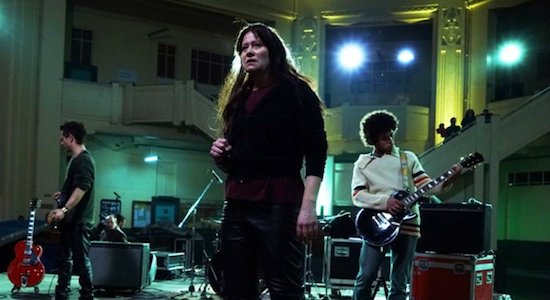
We see several live performances of the singer performing her dark, droning music with a backing band of young musicians. Dyrholm injects these scenes with an almost palpable energy. During a show in Italy, Nico loses her temper and leaves the stage. Later, she makes up for the shortened set by performing a sublime version of “Nature Boy” with the hotel’s jazz combo. Here, as throughout the film, she’s unpredictable, as likely to crack a joke as to cut someone dead. Dyrholm captures her restless junkie distraction, eyes alternating between dull weariness and steely determination.

Courtesy of Magnolia Pictures
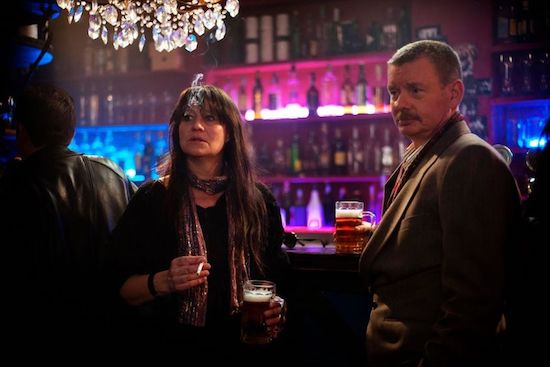
In one scene, Nico bonds with her Italian host, chowing down happily on spaghetti and Limoncello. Despite its generally somber subject matter, the film has a few light moments, some of its humor stemming from Nico’s almost childlike bluntness. Complicating the tour (and the movie) are an on-off liaison between Richard and his co-tour manager (Karina Fernandez), who remains unimpressed with Nico’s music; plus a romance between violinist Sylvia (Anamaria Marinca) and bassist Alex (Calvin Demba), though the latter’s heroin habit dooms the relationship.
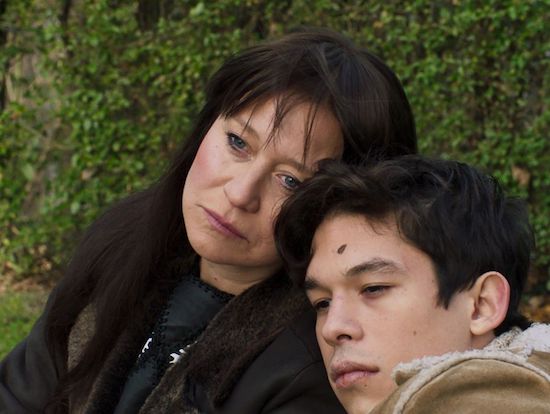
In France Nico visits Ari (Sandor Funtek) at his psychiatric institution and there seems to be real affection between them. When the band reaches Prague, Nico and some of the others are jonesing for heroin. Richard makes inquiries, but the stuff is absolutely off-limits as the concert itself is illegal (ah, the days before the fall of the Iron Curtain). Despite—or maybe due to—their drug sickness, she and band perform an incendiary “My Heart is Empty” to a huge, roaring crowd before the show is shut down by the authorities; it’s one of the film’s highlights and a scene that illustrates her onstage power.
By 1988, thanks to Richard’s efforts, Nico is on methadone and Ari has been sprung from the hospital and has joined the tour. Despite a devastating setback for him, things seem to be going relatively well by the end of the film, though we know that Nico is not long for the world.
Though messy and unfocused at times, Nico, 1988 is an audacious film made compelling by Dyrholm’s commanding performance.
Nico, 1988 opens at Film Forum on Wednesday, August 1.
—Marina Zogbi